
• Skip to main content
  • Skip to secondary menu
  • Skip to primary sidebar
  • Skip to secondary sidebar
  • Skip to footer

  • COVID-19
  • Opinion
  • Health IT
    • Behavioral Health
    • Care Coordination
    • EMR/EHR
    • Interoperability
    • Patient Engagement
    • Population Health Management
    • Revenue Cycle Management
    • Social Determinants of Health
  • Digital Health
    • Artificial Intelligence
    • Blockchain
    • Mobile Health
    • Precision Medicine
    • Telehealth
    • Wearables
  • Startups
  • M&A
  • Value-based Care
    • Accountable Care (ACOs)
    • Medicare Advantage
  • Life Sciences
  • Research

Blood Sugar Monitoring Devices Pose Wearability & Use Problems for Older Diabetic Adults & Caregivers

by Syed Hamza Sohail 02/09/2023 Leave a Comment

  • LinkedIn
  • Twitter
  • Facebook
  • Email
  • Print
Blood Sugar Monitoring Devices Pose Wearability & Use Problems for Older Diabetic Adults & Caregivers

What You Should Know:

– In an initial trial of continuous glucometer use, faulty device adhesive — a serious wearability challenge — and patient difficulty in interpreting graphs produced by the device, were noted. In a subsequent trial, 70 older adults with diabetes wore glucometers and activity monitors and used smartphones and electronic medication bottles to track and manage blood sugar over a two-week period.

– Among these 70 patients, two-thirds of whom were African American and more than half of whom were female, nearly one in four indicated that prior to the study, they had not checked blood sugar.

Problems and Impacts of Blood Sugar Monitoring Devices For the Elderly

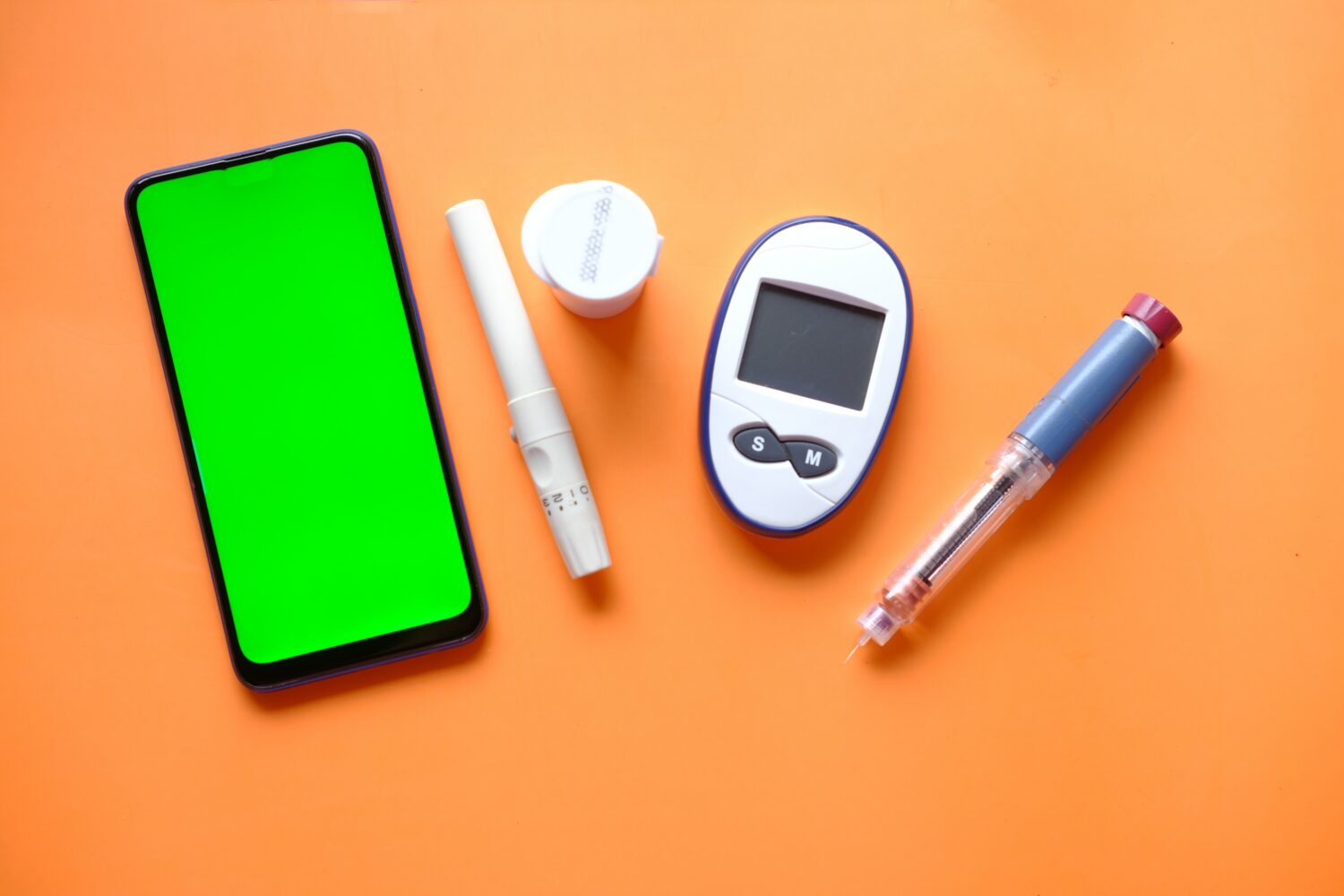
A study conducted by Regenstrief Institute research scientists to examine the use, by older adults with Type 1 or Type 2 diabetes, of continuous glucose monitors and other wearable devices to assess and manage low blood sugar, has found that these tools pose both wearability and use problems for patients and their caregivers.

Diabetes is more common in the older population than the general population, with as many as one in five older adults having the disease. Hypoglycemia, also known as low blood sugar, is especially common in people with diabetes because of their medical condition as well as the treatment that they receive for it. Both diabetes and hypoglycemia convey independent risks for dementia. Diabetes confers approximately a two-fold increased risk of dementia. The frequency of low blood sugar episodes among people with diabetes adds to the risk of dementia, independently.

Among the major findings of the study:

1. Study participants found glucose monitors and other wearable devices tricky to use, suggesting a need for device manufacturers to improve the wearability and usability of the devices.

2. Study participants were very interested in understanding their numbers (such as glucose levels) and the implications of these numbers.

3. Nearly three-quarters of the study participants had low blood sugar (hypoglycemia), suggesting the need for monitoring devices to lead to more direct and effective management of blood sugar among older adults.

“That 73 percent of those in our study had low blood sugar is extremely concerning because hypoglycemia should always be addressed.

“Although a smartphone is very commonly used with continuous glucometers, we found that when we issued smartphones to study participants, they often didn’t carry the phones with them, contributing to the fact that, during the study, one-third of daytime phone prompts about medications, behaviors, and symptoms were ignored,” said Dr. Weiner. “And while I think there is a lot of future potential to use electronic medication bottles, we found study participants didn’t use them correctly or didn’t appropriately transfer their oral medications to the bottles.”

“Continuous Glucose Monitoring and Other Wearable Devices to Assess Hypoglycemia among Older Adult Outpatients with Diabetes Mellitus” is published in the peer-reviewed Applied Clinical Informatics. The study was supported by the Agency for Healthcare Research and Quality.

  • LinkedIn
  • Twitter
  • Facebook
  • Email
  • Print

Tagged With: Caregivers, dementia, diabetes, Diabetes Management, medication, risk, Type 2 Diabetes

Get in-depth healthcare technology analysis and commentary delivered straight to your email weekly

Reader Interactions

Primary Sidebar

Subscribe to HIT Consultant

Latest insightful articles delivered straight to your inbox weekly.

Submit a Tip or Pitch

Knowledge Hub

 How Top Health Plans Use AI to Save Money and Work Smarter How Top Health Plans Use AI to Save Money and Work Smarter

 How to Build Hybrid Care Models Around Remote Patient Monitoring How to Build Hybrid Care Models Around Remote Patient Monitoring

Trending

Olive Secures $400M At A $4B Valuation to Support New Instant Claim Payment Solution

Olive Shutters Business After Sale to Waystar and Humata Health

Clinician Shortage Worsens Primary Care Crisis, Experts Reveal

Clinician Shortage Worsens Primary Care Crisis, Experts Reveal

FDA Grants Clearance for UltraSight's AI Cardiac Ultrasound

Israel Defense Forces to Utilize UltraSight’s PoCUS Devices in Combat

The Future of Biomarker-Based Therapy for Mental Disorder Care

The Future of Biomarker-Based Therapy for Mental Disorder Care

HLTH23: 6 Digital Health Executives Share Key Takeaways

6 Digital Health Executives Share Key Takeaways from HLTH23

HIMSS Appoints New Chief Financial Officer & General Counsel

HIMSS Appoints New Chief Financial Officer & General Counsel

GoodRx Now Offers Access to $35 Insulin to All Americans

GoodRx Now Offers Access to $35 Insulin to All Americans

Ozempic: From Diabetes Management to Potential Weight Loss Miracle

Ozempic: From Diabetes Management to Potential Weight Loss Miracle

Health M&A: Financial Distress Driving Q3 Healthcare Deals

Health M&A: Financial Distress Driving Q3 Healthcare Deals

GE HealthCare Inks $44M Contract with BARDA to Develop AI-Driven Ultrasound Tech

GE HealthCare Inks $44M Contract with BARDA to Develop AI-Driven Ultrasound Tech

Secondary Sidebar

Footer

Company

  • About Us
  • Advertise with Us
  • Reprints and Permissions
  • 2023 Editorial Calendar
  • Submit An Op-Ed
  • Contact
  • Subscribe

Editorial Coverage

  • Opinion
  • Health IT
    • Care Coordination
    • EMR/EHR
    • Interoperability
    • Population Health Management
    • Revenue Cycle Management
  • Digital Health
    • Artificial Intelligence
    • Blockchain Tech
    • Precision Medicine
    • Telehealth
    • Wearables
  • Startups
  • Value-Based Care
    • Accountable Care
    • Medicare Advantage

Connect

Subscribe to HIT Consultant Media

Latest insightful articles delivered straight to your inbox weekly

Copyright © 2023. HIT Consultant Media. All Rights Reserved. Privacy Policy |